
When a child finishes orthodontic treatment, the moment braces come off often feels like the finish line. Teeth look straight, smiles are confident, and parents feel relieved that months or years of treatment are complete. However, orthodontic care does not truly end when braces are removed. In fact, what happens next plays a major role in protecting those results.
At Brookhaven Orthodontics, families often ask why retainers are necessary after braces and what could happen if children stop wearing them too soon. Understanding the purpose of retainers helps parents support long-term success in kids’ orthodontics and avoid preventable setbacks.
Why Retainers Matter After Braces
Braces move teeth into proper alignment by applying controlled pressure over time. Once the braces are removed, the teeth are not automatically locked into place. The surrounding bone, ligaments, and gum tissues need time to stabilize around the new positions.
Retainers are designed to hold teeth where braces placed while the mouth adapts. Without this support, teeth naturally try to move back toward their original positions. Retainers are not optional accessories. They are a critical part of orthodontic treatment.
Why Teeth Shift After Orthodontic Treatment
Teeth have natural movement tendencies
Teeth are supported by periodontal ligaments that allow small amounts of movement. Even after successful orthodontic treatment, these ligaments retain some memory of the previous alignment. If a retainer is not worn, this memory can cause teeth to drift.
Growth continues in children and teens
For kids, orthodontic treatment often finishes before jaw growth is complete. As the jaw continues to grow and develop, tooth positions can change. Retainers help guide teeth through these changes while preserving alignment.
Daily habits influence tooth position
Habits such as teeth grinding, clenching, mouth breathing, or tongue pressure can all affect tooth alignment. Retainers act as a protective measure against these forces, particularly during sleep.
What Happens If Kids Stop Wearing Their Retainers
Early and subtle changes
The first signs of relapse are often small. Teeth may begin to look slightly crowded, small gaps can reappear, or the bite may feel different. These changes can happen faster than many parents expect.
Progressive relapse
Without retainer wear, minor shifts can become more noticeable over time. What starts as a small alignment issue can gradually undo a significant portion of the original orthodontic work.
Risk of needing additional treatment
In some cases, relapse becomes severe enough that retreatment is recommended. This may involve aligners or braces again, which can add time, cost, and stress that could have been avoided with consistent retainer use.
Why Retainers Are Especially Important in Kids Orthodontics
Supporting the development of jaws
Children’s jaws continue to grow well into their teenage years. Retainers help guide teeth as this growth occurs, reducing the risk of misalignment returning during important developmental stages.
Protecting bite alignment
Proper bite alignment supports comfortable chewing, clear speech, and balanced jaw function. Retainers help maintain this balance as children grow and their dental structures change.
Encouraging responsibility and routine
Wearing a retainer helps children learn responsibility for their oral health. Building this habit early supports long-term dental care awareness and consistency.
Types of Retainers Used for Children
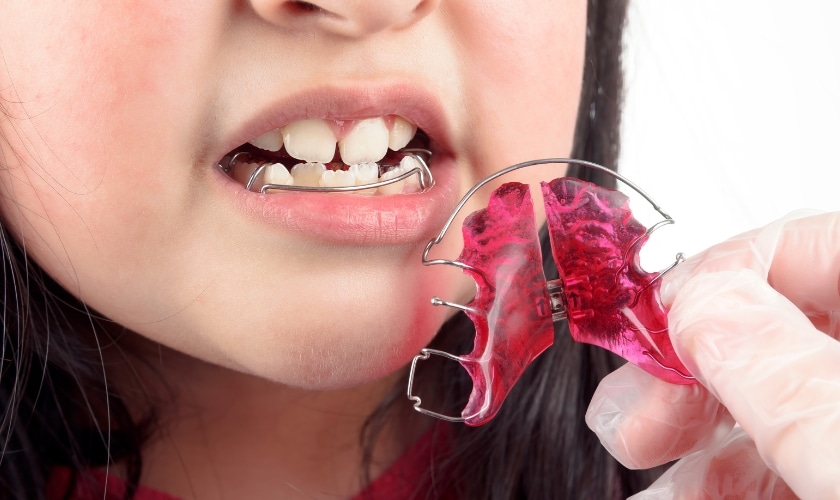
Removable retainers
Removable retainers are commonly prescribed after braces. They are typically worn full-time at first and then transitioned to nighttime wear. These retainers are easy to clean but require consistency and responsibility.
Fixed retainers
Fixed retainers are bonded behind the teeth and provide continuous support. They are often used in areas where relapse risk is higher or when consistent wear may be challenging.
An orthodontist will recommend the most appropriate option based on the child’s treatment history and risk of relapse.
Common Reasons Kids Stop Wearing Retainers
Discomfort or adjustment period
Some children experience mild discomfort when starting retainer wear. This usually improves quickly as the mouth adjusts.
Forgetting or losing the retainer
Busy school schedules, sports, and activities can make routines harder to maintain. Retainers are also small and easy to misplace if not stored properly.
Believing treatment is finished
Once braces are off, some kids assume treatment is complete. Without a clear explanation, they may not understand the importance of ongoing retainer wear.
How Parents Can Help Ensure Retainer Success
Establish a consistent routine
Encourage retainer wear at the same time each night. Pairing it with another nightly habit can make it easier to remember.
Use positive reinforcement
Gentle reminders and encouragement help kids stay consistent. Focusing on protecting their new smile rather than enforcing rules tends to work better.
Keep retainers protected
Always use a retainer case when the appliance is not being worn. This reduces the risk of damage or loss at school or during activities.
Schedule follow-up visits
Regular checkups allow the orthodontist to monitor alignment and adjust retainer use if needed. These visits help catch small shifts early.
How Long Do Kids Need to Wear Retainers
The length of retainer wear varies based on individual growth patterns, the complexity of the orthodontic case, and how the teeth respond after treatment. Many children are advised to wear retainers full-time initially, followed by nighttime wear for an extended period.
In many cases, long-term nighttime wear is recommended to protect alignment through growth and into adulthood.
The Role of the Orthodontist in Long-Term Results
Orthodontic care does not stop when braces come off. Continued monitoring ensures that teeth remain stable and healthy as children grow.
An experienced orthodontist in Johns Creek understands how growth, habits, and bite changes affect developing smiles. Personalized guidance helps families make informed decisions and avoid unnecessary retreatment.
Addressing Retainer Problems Early
If a retainer feels tight, no longer fits properly, or is lost, it is important to contact the orthodontic office promptly. Early intervention can often prevent more significant alignment changes.
Delaying care increases the likelihood that teeth will shift beyond what a retainer alone can correct.
Final Thoughts
Retainers are just as important as braces in kids’ orthodontics. They protect the time, effort, and investment made during orthodontic treatment. When children stop wearing retainers too soon, teeth can shift, alignment can be lost, and additional treatment may become necessary.
Understanding the role of retainers and supporting consistent use helps ensure that your child’s smile remains straight, healthy, and confident for years to come.
Schedule a Retainer Check in Johns Creek
If your child has finished orthodontic treatment or you have concerns about retainer wear, the team at Brookhaven Orthodontics is here to help. We provide ongoing support and personalized guidance to protect orthodontic results.
Contact our office to schedule an appointment with a trusted orthodontist in Johns Creek and ensure your child’s smile stays on track long after braces come off.

