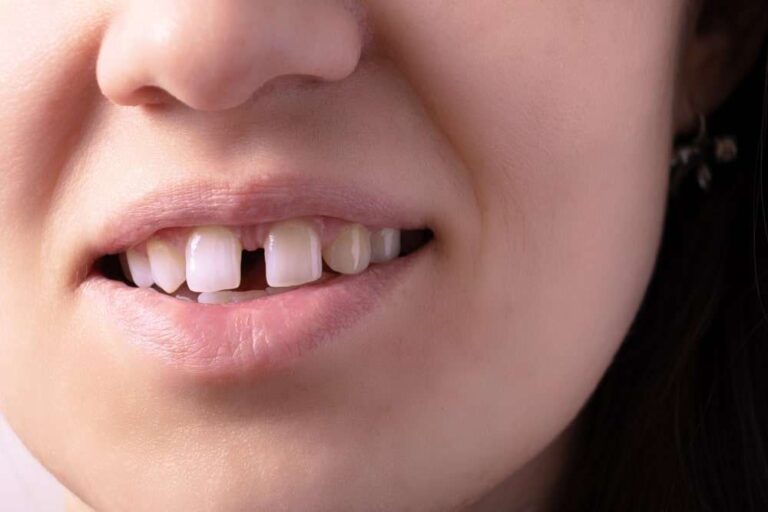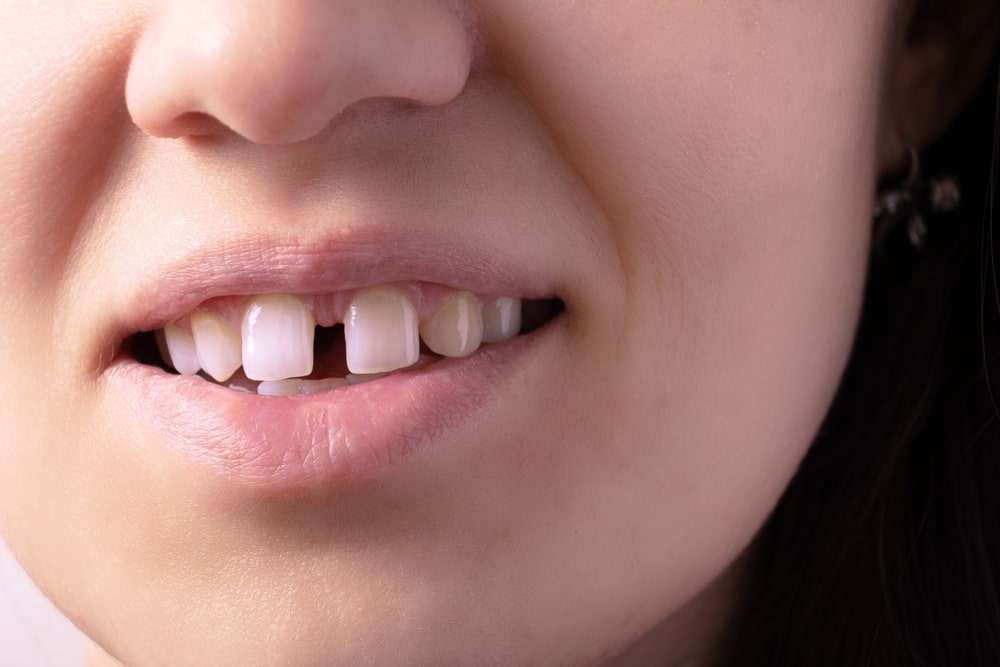
Gaps between teeth are one of those things that range from barely noticeable to a primary concern depending on where they are and how significant they are. Some people live with spacing for years without giving it much thought. Others find it affects how they feel about their smile or how their bite functions. Either way, it’s one of the more common reasons patients ask about orthodontic treatment.
Clear aligners can address spacing, but the degree of success depends on the type of gap, its location, and what’s causing it. Here’s what’s actually involved.
What Causes Gaps Between Teeth
Spacing between teeth has several possible origins, and the cause influences how it’s treated.
Some gaps are simply genetic. A person’s tooth size relative to their jaw size determines whether teeth sit tightly together or have space between them. When teeth are proportionally smaller than the arch they sit in, natural spacing is the result. This type of spacing tends to be distributed across multiple areas rather than concentrated in one spot.
A gap between the two upper front teeth, called a midline diastema, is one of the most frequently noticed spacing issues. It can be caused by tooth size, a frenum attachment (the small band of tissue between the upper lip and gum) that sits too low between the teeth, or simply the natural development pattern of that person’s dentition.
Missing teeth that were never replaced create a different type of gap. When a tooth has been lost or extracted and not restored, the surrounding teeth tend to drift toward the open space over time. This creates a gap that’s accompanied by tooth displacement and sometimes a bite change, which makes it a more complex situation to address than simple natural spacing.
How Clear Aligners Close Gaps
Clear aligners close gaps by applying controlled, sequential force to move the teeth together. Each aligner in the series is designed to shift the teeth a small, precise increment toward each other. Over the course of treatment, the space is progressively reduced until the teeth reach their planned final positions.
For natural spacing, this is typically one of the more predictable things clear aligners do. The teeth are already in roughly the right positions; they just need to be moved closer together. Mild to moderate spacing cases, particularly in the front teeth, respond well to clear aligner treatment.
At Brookhaven Orthodontics, Dr. Cox uses Spark clear aligners as the primary clear aligner system. Spark’s TruGEN material maintains shape and force delivery through the wear period of each tray, which is relevant for space closure cases where sustained, consistent pressure against the teeth is what moves.
When Spacing Cases Become More Complex
Not all spacing situations are equally straightforward for clear aligners.
Large gaps require more significant tooth movement, and the more movement required, the more the case needs careful planning and, in some cases, attachments to help the aligner grip the tooth effectively. Attachments are small, tooth-coloured composite shapes bonded to specific teeth to help the aligner produce more complex movements. They’re commonly used in spacing cases where the gap is large, or the teeth need to be moved and rotated simultaneously.
Spacing caused by a frenum attachment may not close permanently with orthodontic treatment alone. If the frenum tissue sits between the teeth and puts ongoing pressure against them, the space can reopen after treatment. In these cases, a minor soft tissue procedure called a frenectomy may be recommended before or after orthodontic treatment to prevent relapse. This is a conversation to have with your provider during the assessment.
Spacing associated with missing teeth is a different clinical situation. Closing the space orthodontically, or maintaining it for a future implant or bridge, depends on the bite, the position of the adjacent teeth, and the overall treatment goals. Both options are legitimate approaches, and the right one depends on the specifics of the case.
Clear Aligners vs. Braces for Gap Closure
Both treatment options can close gaps effectively. For patients with mild to moderate spacing who are interested in a less visible treatment option, clear aligners are a practical choice. For more complex cases involving large gaps, significant tooth rotation, or spacing combined with bite issues, metal or clear braces sometimes offer more direct control over tooth movement.
At Brookhaven Orthodontics, the initial consultation includes a full assessment of the spacing, the bite, and the surrounding teeth before a treatment direction is recommended. Patients can review all available treatment options and compare braces and aligner approaches on the clinic’s website.
What to Expect After Treatment
Once gaps are closed, keeping them closed requires retention. Teeth have a natural tendency to drift back toward their original positions after orthodontic treatment. A retainer worn as directed after treatment is the mechanism that prevents this. For patients who have closed a significant gap, consistent retainer wear is particularly important long-term.
You can read more about retention options at Brookhaven Orthodontics .
Brookhaven Orthodontics | Atlanta & Johns Creek
Wondering whether your gap is something clear aligners can address? The consultation answers that question. Complimentary appointments are available at both the Brookhaven and Johns Creek offices. No referral needed. Call or text 404-343-0677 to book.