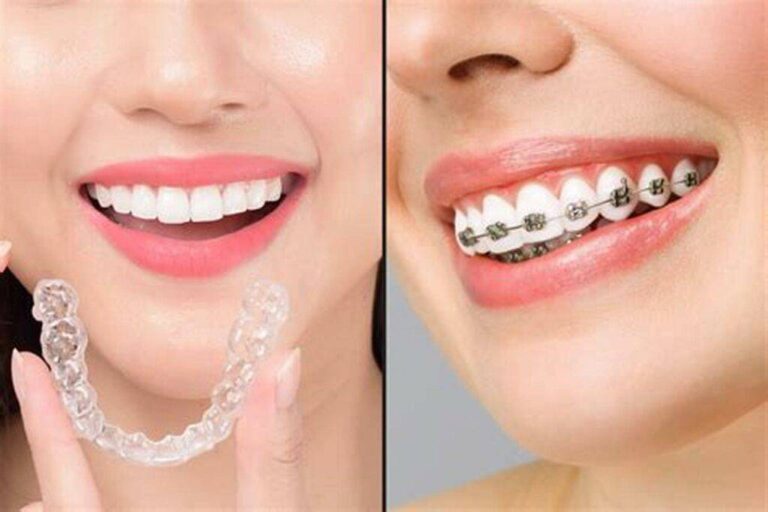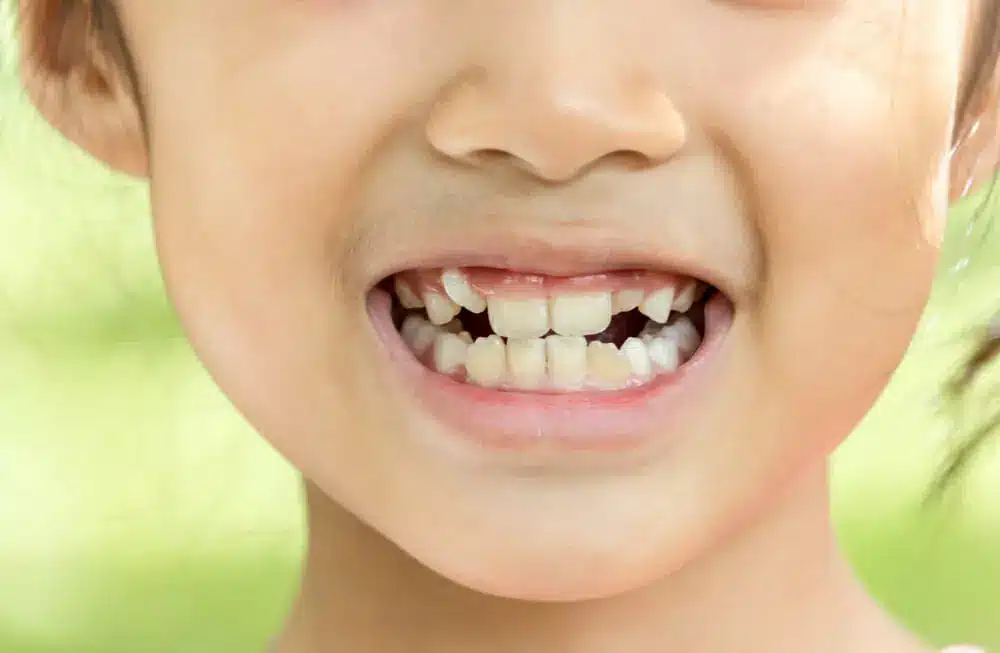
Crowded teeth are one of the most common orthodontic concerns parents notice as their child’s smile develops. Teeth may appear overlapping, twisted, or pushed out of place, especially as permanent teeth begin to come in. While crowding can sometimes improve naturally, in other cases, early orthodontic care plays an important role in guiding healthy development.
At Brookhaven Orthodontics, parents often ask whether crowded teeth in children require immediate treatment or if it is better to wait. Understanding the difference between normal development and crowding that needs attention can help families make informed decisions with a trusted orthodontist in Johns Creek.
What Causes Crowded Teeth in Children
Crowded teeth occur when there is not enough space in the jaw for all the teeth to align properly. This can happen for several reasons.
Jaw size and growth patterns
Some children inherit smaller jaws or larger teeth, creating a natural mismatch that leads to crowding.
Early or late loss of baby teeth
If baby teeth are lost too early or stay in place too long, nearby teeth may shift into the empty space. This can block permanent teeth from erupting correctly.
Thumb sucking and oral habits
Habits such as thumb sucking, prolonged pacifier use, or tongue thrusting can affect jaw development and tooth position.
Genetics and family history
If parents had crowded teeth or needed orthodontic treatment, children may be more likely to experience similar issues.
Are Crowded Teeth Always a Problem
Not all crowding requires immediate treatment. In some cases, mild crowding can resolve as the child grows and the jaw develops.
Normal stages of dental development
It is common for permanent teeth to look crowded at first, especially around ages six to eight. As the jaw continues to grow, some spacing issues may improve naturally at home.
Temporary crowding
During mixed dentition, when baby teeth and permanent teeth are present together, teeth can appear crowded even though there is enough space long term.
This is why professional evaluation is important before deciding on treatment.
Signs That Waiting May Be Appropriate
In certain situations, monitoring crowded teeth rather than treating right away may be recommended.
Mild crowding with healthy spacing potential
If crowding is minimal and jaw growth is expected to create more space, orthodontists may suggest regular observation.
No functional issues
When crowding does not affect chewing, speech, or oral hygiene, immediate intervention may not be necessary.
Age and growth stage
Very young children may benefit from waiting until more permanent teeth have erupted, allowing for a clearer picture of alignment needs.
Regular checkups ensure that changes are tracked closely.
When Crowded Teeth Should Be Treated Early
Early orthodontic treatment may be recommended when crowding is more than a cosmetic concern.
Severe or worsening crowding
If teeth are overlapping significantly or erupting out of position, early treatment can help guide proper alignment.
Difficulty cleaning teeth
Crowded teeth are harder to brush and floss, increasing the risk of cavities and gum problems. Early care can improve oral hygiene.
Impacted or blocked teeth
When permanent teeth do not have enough space to erupt, they may become trapped in the jaw. Early intervention can help prevent this.
Bite and jaw concerns
Crowding may be associated with bite problems that affect chewing and jaw function. Addressing these issues early can reduce complications later.
Benefits of Early Orthodontic Evaluation
The American Association of Orthodontists recommends that children have their first orthodontic evaluation by age seven. This does not mean treatment always starts at this age, but it allows potential issues to be identified early.
Guiding jaw growth
Early treatment can help guide jaw development, creating space for incoming teeth.
Reducing the need for complex treatment later
Intercepting crowding early may shorten or simplify orthodontic treatment during the teenage years.
Protecting permanent teeth
Proper alignment reduces the risk of enamel wear, fractures, and gum issues as children grow.
Common Early Treatment Options for Crowded Teeth
If treatment is recommended, it is usually gentle and focused on guiding development rather than full braces right away.
Space maintainers or expanders
These appliances help preserve or create space in the jaw, allowing permanent teeth to erupt properly.
Limited orthodontic appliances
In some cases, partial braces or other appliances may be used to correct specific alignment concerns.
Monitoring and phased treatment
Some children benefit from early guidance followed by comprehensive treatment later, once most permanent teeth are present.
Your orthodontist will recommend an approach based on your child’s individual needs.
What Happens If Crowded Teeth Are Left Untreated
In cases where crowding is significant, waiting too long can lead to additional challenges.
Increased risk of cavities and gum disease
Overlapping teeth trap food and plaque, making cleaning more difficult.
Higher likelihood of extractions later
Severe crowding may require tooth removal during later orthodontic treatment.
More complex orthodontic care
Delaying treatment can sometimes lead to longer or more involved treatment during adolescence.
Early evaluation helps avoid these potential outcomes.
How Parents Can Support Healthy Dental Development
Parents play an important role in managing crowded teeth concerns.
Encourage good oral hygiene
Proper brushing and flossing help protect crowded areas from decay.
Attend regular dental and orthodontic visits
Routine checkups allow early detection of alignment issues.
Watch for changes
If teeth appear increasingly crowded or permanent teeth are erupting out of place, an orthodontic consultation is recommended.
Why Choosing the Right Orthodontist Matters
Crowded teeth require careful assessment of growth, spacing, and bite function. An experienced orthodontist in Johns Creek understands how to balance timing and treatment to support healthy development.
Personalized care ensures that children receive the right treatment at the right time, avoiding unnecessary intervention while preventing future problems.
Final Thoughts
Crowded teeth in children do not always require immediate treatment, but they should never be ignored. Knowing when to wait and when to treat depends on growth patterns, severity, and overall oral health.
Early orthodontic evaluation provides clarity, reassurance, and a plan that supports your child’s long-term smile and comfort.
Schedule an Orthodontic Evaluation in Johns Creek
If you have concerns about crowded teeth in your child, the team at Brookhaven Orthodontics is here to help. We provide thoughtful evaluations and age-appropriate treatment plans focused on healthy development.
Call 404-343-0677 to schedule an appointment with a trusted orthodontist in Johns Creek and learn whether early orthodontic care is right for your child.