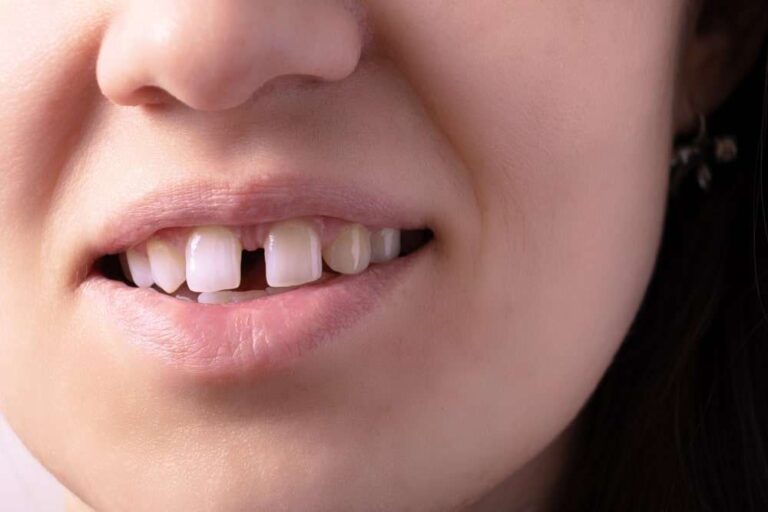
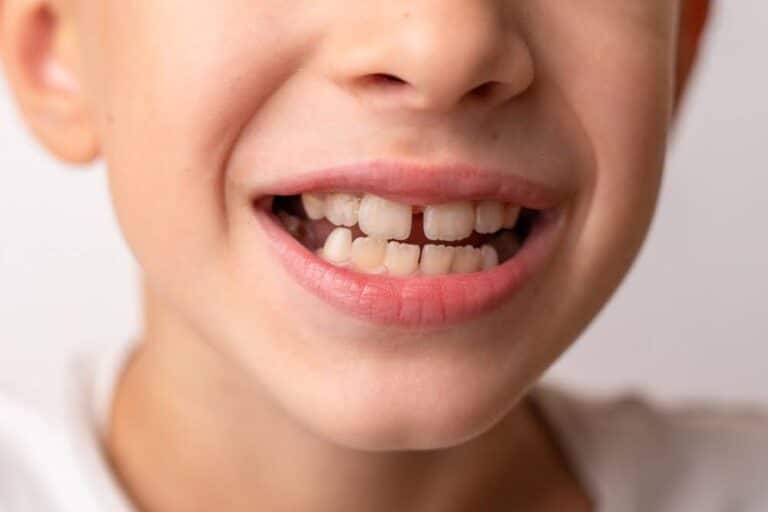
The short answer? It depends on your smile.
Most people walk into a consultation hoping to hear a specific number. Completely understandable. But the truth is, braces treatment time varies from person to person, and anyone who gives you a single fixed answer without examining your teeth first is guessing.
That said, there’s a realistic range. Most people wear braces for about 18 to 24 months. Treatment can be as short as 6 to 12 months for minor issues or extend to 36 months for more complex cases.
At Brookhaven Orthodontics, Dr. Stan Cox gives every patient a personalized timeline during their free consultation — because your case is yours alone. But before you come in, this guide will walk you through the key factors that shape how long your treatment will actually take.
What Affects How Long You’ll Wear Braces?
No two mouths are the same. Here are the factors that genuinely move the needle on your treatment duration.
The Complexity of Your Case
This is the biggest one. Mild crowding may take 12 to 15 months, while severe crowding often requires 20 to 24 months. Significant spacing, rotated teeth, or extensive movement adds more time.
Bite issues, in particular, take longer than straightening alone. Treating a bite with braces can take longer than simply treating misaligned teeth, because conditions like overbite, underbite, or crossbite require more coordination to correct.
Your Age
Here’s something not everyone knows: kids and teens typically move through treatment faster than adults. Younger patients’ bones respond quickly to orthodontic forces. Children and teens typically complete treatment in 12 to 24 months due to efficient bone remodelling. Adults achieve beautiful results too, though bone remodelling happens more gradually —adult braces typically take 18 to 30 months, reflecting a slower biological response rather than treatment limitations.
So if you’re an adult and your timeline feels longer, it doesn’t mean anything went wrong. It’s just biology.
The Type of Braces You Choose
Traditional metal and ceramic braces are effective for a wide range of corrections. Clear aligners like Invisalign offer flexibility, but you’ll need to wear them for the recommended hours each day to stay on track.
Metal braces tend to be the most efficient option for complex cases. Ceramic braces work similarly but require a bit more care. Lingual braces placed on the back of the teeth can take slightly longer due to their placement complexity.
Your Compliance
This one is in your hands. Wearing elastics as prescribed, maintaining excellent hygiene, and attending appointments keep treatment on schedule. Patients with consistent elastic wear, proper brace protection, and clean teeth typically finish on time or early.
Breaking brackets repeatedly can add months to your timeline. Missing appointments disrupts the planned sequence and extends treatment time.
One missed appointment might not derail everything, but a pattern of them adds up.
The Full Braces Timeline, Phase by Phase
Let’s walk through the entire journey from consultation to finished smile.
Phase 1: Consultation and Records (Week 1–2)
Your first visit to Brookhaven Orthodontics is a free consultation. Dr. Cox will examine your teeth and jaw, take X-rays, photographs, and digital scans, and walk you through what treatment would look like for your specific case. After the initial visit, the orthodontist reviews the diagnostic records and develops a personalized treatment plan — outlining what type of braces will be used, how long treatment is expected to last, and whether any additional steps like tooth extractions or spacers are needed. Finalizing your plan and scheduling your fitting usually takes about one to two weeks.
Phase 2: Preparation (0–3 Weeks, If Needed)
Before braces are placed, some patients may need preparatory steps such as tooth extractions if there is overcrowding, a dental cleaning to ensure gums are healthy before brackets are applied, or spacers, small rubber rings placed between molars to make room. These preparatory steps can add zero to three weeks to your timeline.
Not everyone needs this phase. Many patients move straight to placement.
Phase 3: Braces Placement (About 1–2 Hours)
Getting your braces placed is a straightforward appointment. While it may seem long, the discomfort is minimal, and you’ll leave with a clear picture of your treatment plan.
Brackets are bonded to your teeth, a wire is threaded through, and you’re officially on your way.
You may feel some soreness for a few days. That’s completely normal — it means things are moving.
Phase 4: Active Treatment (12–36 Months)
This is the main event. Treatment typically takes one to three years, with regular appointments every four to ten weeks.
At Brookhaven Orthodontics, adjustment visits are typically scheduled every six to eight weeks.
Many patients start noticing changes within just a few months. Teeth begin to shift subtly early on, and progress becomes more visible as time goes on. By your six-month check-in, you’ll likely see a noticeable difference.
During this phase, Dr. Cox monitors your progress closely, adjusts your wires, and adds elastics as needed to guide your bite into place.
Phase 5: Debonding (Removal Day)
When your teeth have reached their final positions, it’s time to remove the braces. The brackets come off, your teeth get a thorough cleaning, and new impressions are taken for your retainer. Most patients describe this appointment as one of the best days of treatment.
Phase 6: Retention (Ongoing)
This phase often gets overlooked, but it matters just as much as everything before it. After braces are removed, patients enter a retention phase that includes wearing retainers, allowing teeth to settle into their final positions. The initial phase typically involves full-time retainer wear for three to six months, followed by nighttime wear. Most orthodontists now recommend indefinite nighttime wear to prevent teeth from drifting back.
Retention isn’t a burden; it’s what protects the investment you already made.
Typical Timelines by Case Type
Here’s a rough guide to help set your expectations before your consultation:
Minor crowding or small gaps: 6–15 months Moderate crowding or spacing: 15–24 months Bite corrections (overbite, underbite, crossbite): 18–30 months Severe crowding or complex skeletal issues: 24–36+ months Children in early/Phase 1 treatment: 6–18 months (followed by a rest period before Phase 2)
These are estimates, not guarantees. The only way to know your actual timeline is to get a proper exam.
Can You Speed Up Treatment?
Sort of. You can’t rush biology, but you can avoid slowing things down. The most impactful things you can do:
- Wear your elastics exactly as directed, every day
- Keep your braces clean. Food buildup around brackets causes problems
- Avoid hard, sticky, or crunchy foods that crack brackets
- Show up to every scheduled adjustment appointment
- Contact the office quickly if a wire breaks or a bracket comes loose
Sometimes life happens, and you miss an appointment or forget to wear your elastics regularly. Falling behind schedule isn’t ideal, but it’s fixable. The key is communication.
At Brookhaven Orthodontics, our team is here to help you get back on track — not to make you feel bad about it.
Kids, Teens, and Adults: Does Age Change the Timeline?
Yes, but that doesn’t mean adults can’t achieve great results.
For Kids (Ages 7–12): Early treatment, sometimes called Phase 1, can address jaw development issues before all permanent teeth have come in. This can shorten or simplify treatment later. The American Association of Orthodontists recommends a first orthodontic screening around age 7.
For Teens: This is the most common time for braces. Bone is still flexible, teeth move well, and treatment tends to be efficient. Children and teens often have shorter braces treatment plans because their bones are still developing, making teeth easier to move.
For Adults: Adults, on average, require more time than children to attain their desired results because the mouth tissues become less flexible with age. Although some adults may reach their desired outcomes in as few as six months, the average adult will require braces for approximately two years.
At Brookhaven Orthodontics, we treat patients of all ages at our Brookhaven and Alpharetta locations.
Why Choose Brookhaven Orthodontics?
Expert Care from Dr. Stan Cox
Dr. Stan Cox, DMD, MS has dedicated his entire practice to orthodontics. He is a proud member of the American Association of Orthodontists (AAO) and brings years of hands-on experience treating kids, teens, and adults. His attention to detail means your treatment plan is built around your mouth — not a one-size-fits-all approach.
Two Convenient Locations in the Atlanta Area
Whether you’re based near our Brookhaven office on Town Boulevard or our Alpharetta/Johns Creek office on Old Alabama Road, we’re easy to reach from across the region. Our hours start at 7:00 AM, so morning appointments before school or work are genuinely possible.
Free Consultations, No Referral Needed
Getting started costs nothing and requires no referral. You’ll leave your first appointment with a clear picture of what treatment looks like for your specific case, including a realistic timeline.
Flexible Payment Options
Orthodontic treatment is an investment. We accept most insurance plans and offer interest-free payment options to make treatment accessible for families and individuals.
Technology That Gets Results
We use current orthodontic technology including digital scans, clear aligners, and modern bracket systems to make your treatment as efficient as possible.
Ready to Find Out Your Timeline?
The best way to know how long your braces treatment will take is to book a free consultation at Brookhaven Orthodontics. Dr. Cox will review your teeth, answer your questions, and walk you through a plan that’s built around your specific smile — not a generic estimate.
Call us at (404) 343-0677. Schedule online at brookhavenorthodontics.com
Two locations to serve you:
- Brookhaven: 804 Town Blvd, Suite A2000, Atlanta, GA 30319
- Alpharetta/Johns Creek: 3440 Old Alabama Rd, Suite 200, Johns Creek, GA 30022
Your consultation is free. Your questions are welcome. Let’s find out what’s possible for your smile.