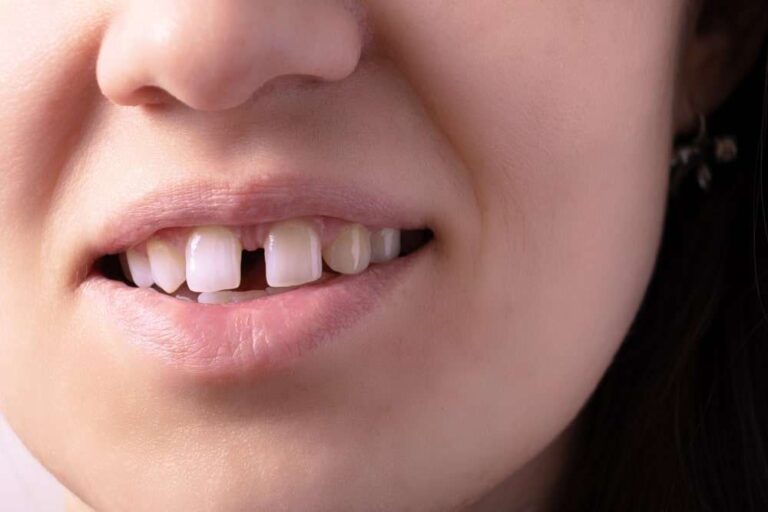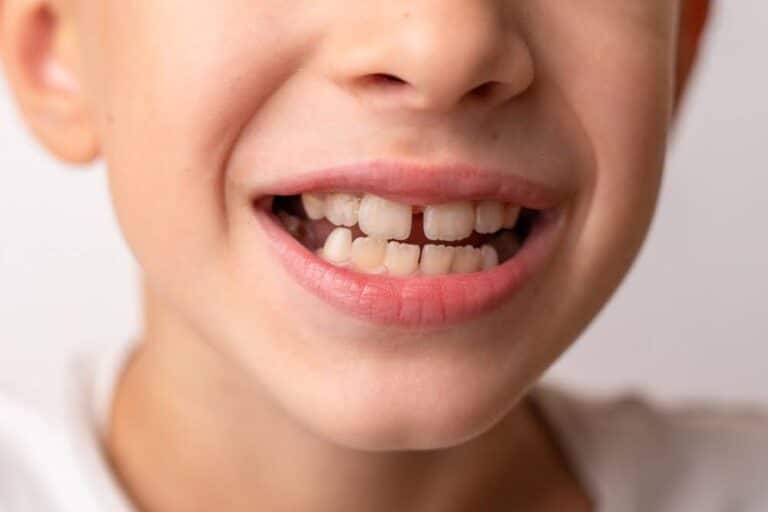
Orthodontic treatment is usually described in clinical terms: correcting crowding, closing gaps, improving bite function. Those are accurate descriptions of what the treatment does mechanically. But the reason most adults and teenagers actually seek it out is more personal than that.
How someone feels about their teeth affects how they present themselves, how much they smile, how they carry themselves in a room full of colleagues, how comfortable they are speaking up in a meeting or making conversation at a social event. These aren’t trivial concerns. They’re the real-world experience of living with teeth you’re not confident about.
The Connection Between Teeth and Self-Presentation
Research in psychology consistently shows that people make rapid judgments about others based on their smile. This isn’t a superficial observation it reflects how deeply social interaction depends on facial expression, and how central the smile is to that interaction. People who are self-conscious about their teeth often modify their behaviour to minimize how much their smile is noticed: covering the mouth when laughing, avoiding photos, limiting how openly they speak.
This self-modification is often so habitual that it becomes invisible to the person doing it. They don’t realize how many interactions they’ve shaped around protecting a part of themselves they’re not comfortable with until something changes.
What Changes After Treatment
Patients who complete orthodontic treatment frequently describe changes that go beyond their teeth. The most commonly reported shift is an increase in how freely they smile and make eye contact. Laughter becomes less guarded. Photos stop being something to avoid.
In professional settings, this matters in tangible ways. Presentations, job interviews, networking events, client meetings — all of these involve making an impression through how you communicate, and communication includes expression. Patients who previously kept a more closed or neutral expression because of their teeth often find that when that particular reason no longer applies, their professional interactions feel different.
For younger patients, the social environment of school and adolescence makes this dynamic even more pronounced. Teenagers are acutely aware of how they appear to peers, and dental concerns that draw attention or ridicule have a documented effect on social confidence during those years.
Treatment Options for Adults Who Want Discretion
One of the reasons adult orthodontic treatment has grown considerably is that treatment options are now less visible than they once were. Many adults who would have resisted braces in a professional setting have found clear aligners to be a workable option precisely because they’re not prominently visible during treatment.
At Brookhaven Orthodontics, Spark clear aligners are used for patients where clear aligner treatment is appropriate. Spark uses TruGEN material, which maintains clarity well through the daily wear cycle. For adults in client-facing roles or high-visibility professional environments, the low profile of clear aligners during treatment is often what decides to start feeling manageable.
Clear ceramic braces are another option for patients who need the precision of fixed brackets but want a less noticeable appearance than metal. For patients where clear aligners aren’t the right clinical fit, clear braces offer a visible-but-less-prominent middle ground.
You can review braces options for adults on the Brookhaven Orthodontics website, including a breakdown of what adult treatment typically involves and how it differs from adolescent treatment.
What the Treatment Period Is Actually Like
A concern that comes up in adult consultations is how treatment itself will affect professional and social life during the process. The honest picture for most adults:
Clear aligners are removed for eating and drinking, so meals and social situations involving food happen without the aligners in. Certain sounds take a week or two to adjust to when aligners are first placed or when a new set is started. Most patients find that colleagues and acquaintances don’t notice the aligners unless they’re specifically pointed out.
Braces require a longer adjustment to comfort and restrict certain foods, but patients in professional settings typically report that the brackets become unremarkable within a few weeks. The treatment period ends; the result doesn’t.
At Brookhaven Orthodontics, Dr. Cox and Dr. Cohen-Sasson take time during the initial consultation to discuss what the treatment period looks like for each patient’s specific situation, including realistic expectations about visibility, duration, and day-to-day experience.
Starting the Conversation
Most adults who have considered orthodontic treatment and held back are waiting for a reason to finally act. The consultation is that step it gives you an honest assessment of what’s involved, what it would cost, and how long it would take before you commit to anything.
Brookhaven Orthodontics offers complimentary consultations at both locations with no referral required. Payment plans are interest-free, and the practice works with most insurance plans. It’s worth knowing what your options are.
The Brookhaven office is at 804 Town Blvd., Suite A2000, Atlanta, GA. The Johns Creek office is at 3440 Old Alabama Road, Suite 200. Call or text 404-343-0677 to schedule.