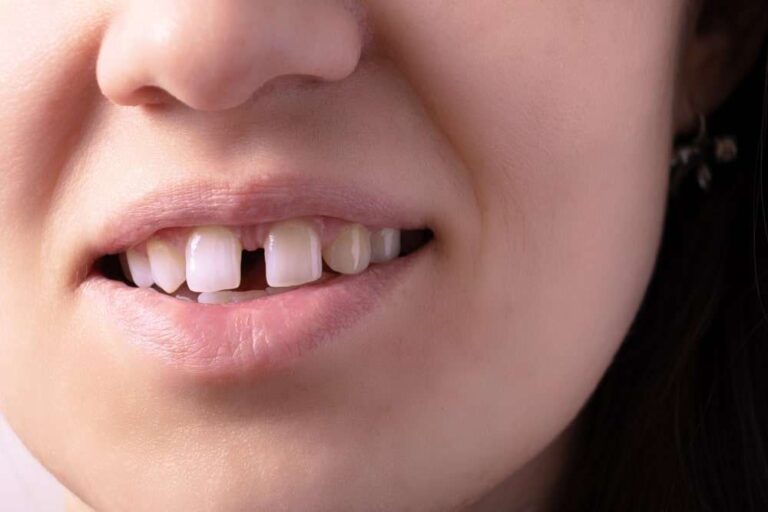
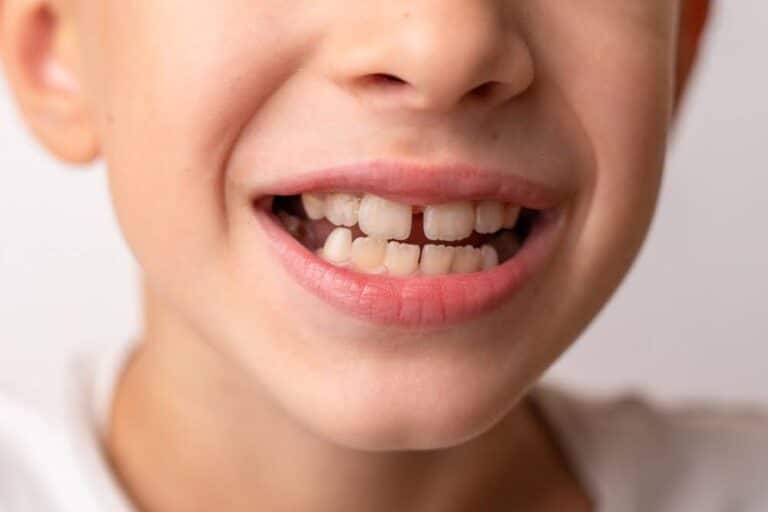
When people think about orthodontic treatment, straight teeth usually come to mind first. But an experienced orthodontist looks at much more than alignment alone. Bite function, jaw position, and long-term oral health all factor into a treatment plan, which is why a proper evaluation involves more than a glance at crooked teeth.
Straight Teeth Are Only Part of the Picture
A smile can look reasonably straight and still have underlying issues that affect chewing, speech, or jaw comfort. Orthodontists are trained to evaluate the whole bite, not just the visible position of the front teeth.
This is one reason a consultation with an orthodontist in Brookhaven typically includes a full evaluation of how the upper and lower teeth meet, not just how they line up visually.
Why Appearance Alone Isn’t Enough
Two patients can have similar-looking smiles but very different underlying bites. One might have a proper bite relationship, while the other could have issues that lead to uneven wear or jaw strain over time. Treating only what’s visible can miss these deeper problems.
The Role of Bite Alignment
Bite alignment, or occlusion, refers to how the upper and lower teeth fit together when the jaw closes. A misaligned bite can affect more than appearance.
- Chewing efficiency can be reduced when teeth don’t meet properly.
- Uneven pressure on certain teeth can lead to premature wear over time.
- Jaw muscles may compensate for a poor bite, which can contribute to discomfort.
- Speech patterns are sometimes affected by significant bite issues.
Common bite issues include overbites, underbites, crossbites, and open bites. Each type places different demands on the jaw and teeth, so treatment planning depends on identifying exactly what’s happening beneath the surface.
How Jaw Development Factors In
For children and teens, jaw growth is still underway, which gives orthodontists a window to guide development in ways that aren’t possible once growth is complete. This is part of why early evaluations are often recommended, even before all permanent teeth have come in.
Monitoring Growth Patterns
An orthodontist tracks how the jaw is developing relative to the teeth. If the jaw is growing in a way that will eventually cause crowding or bite problems, early intervention can sometimes reduce the complexity of treatment later on.
Treatment Timing Matters
Starting treatment at the right time, rather than the earliest possible time, is part of what a thorough evaluation determines. Not every child needs early treatment, but some do benefit from it depending on how their bite and jaw are developing.
Long-Term Oral Health Considerations
Properly aligned teeth are easier to clean, which can reduce the risk of cavities and gum disease over time. Teeth that overlap or sit at odd angles create spaces where plaque tends to build up, even with regular brushing.
Bite issues left untreated can also contribute to jaw discomfort or uneven tooth wear over the years. Addressing these concerns during orthodontic treatment is about more than the way a smile looks in photos.
Function and Comfort
Patients sometimes come in focused entirely on cosmetic concerns, only to learn during their evaluation that they also have a functional issue affecting how comfortably they chew or speak. Addressing both at once tends to produce a more stable long-term result.
What a Thorough Evaluation Involves
A comprehensive orthodontic evaluation typically includes:
- A visual exam of tooth position and bite relationship
- X-rays to assess root position and jaw structure
- A review of jaw movement and function
- A discussion of any discomfort, clicking, or grinding
This information helps determine whether treatment should focus on tooth movement alone or also address jaw alignment and bite function.
Finding the Right Orthodontist for a Full Evaluation
Families searching for an orthodontist in Johns Creek or Brookhaven often start with cosmetic concerns, which is a reasonable place to begin. A thorough consultation should still cover bite function and jaw health, not just the visible position of the teeth.
Asking questions during a consultation about bite alignment, jaw development, and long-term oral health can help you understand the full scope of what’s being recommended and why.
If you’re exploring treatment options, our page on orthodontic braces outlines what a typical treatment plan can include.
Common Questions
Does a straight smile always mean a healthy bite?
Not necessarily. Teeth can appear straight while an underlying bite issue still exists, which is why a full evaluation matters.
At what age should a child see an orthodontist?
Many orthodontists recommend an initial evaluation around age seven, when enough permanent teeth have come in to assess developing patterns.
Can bite issues affect adults too?
Yes. Bite problems can develop or worsen over time in adults, and treatment isn’t limited to children and teens.
Schedule a Consultation
Understanding your bite, jaw development, and oral health is just as important as achieving a straighter smile. A complete evaluation gives you a clearer picture of what treatment can accomplish.
Call Brookhaven Orthodontics at 404-343-0677 to schedule a consultation and find out what your evaluation might reveal.